
Industrial Trades
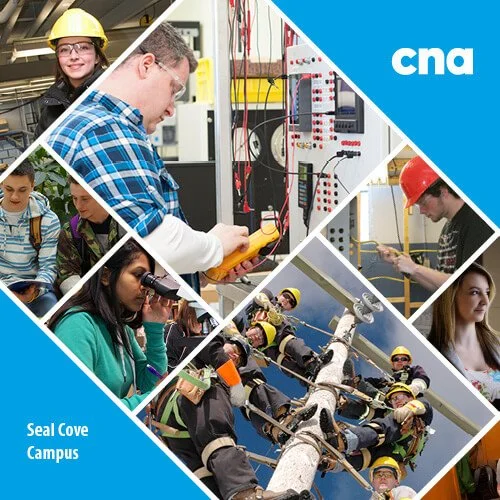
Industrial trades involve skilled manual work in areas such as electrical, mechanical, welding, and construction fields. These trades are essential to the economy and infrastructure and often lead to rewarding, hands-on careers with opportunities for growth and specialization. For newcomers and youth, industrial trades can offer a practical path to stable employment, apprenticeships, and long-term career success.
Benefits of Industrial Trades
- High Demand: Skilled trades workers are always in demand across Canada and globally.
- Good Pay: Many trades offer competitive wages and job stability.
- Shorter Training: Compared to university, trade programs are shorter and more affordable.
- Hands-On Work: Learn by doing and build practical, real-world skills.
- Apprenticeship Opportunities: Earn while you learn and gain valuable experience.
- Career Growth: Opportunities for specialization, certification, and even entrepreneurship.
The College of the North Atlantic offers a wide range of Industrial Trades programs designed to provide hands-on experience and technical expertise. Programs include:
- Industrial Mechanic (Millwright) – Red Seal certification, maintenance and repair of industrial machinery.
- Construction / Industrial Electrician – 37-week program for electrical work in construction and industry.
- Machinist – Precision machine operations for metal shaping and cutting.
- Welder / Metal Fabricator (Fitter) – 74-week diploma focusing on welding and fabrication.
- Trades Bridging – A foundational program to help students prepare for trades.
- Orientation to Trades and Technology – Introductory 16-week program covering multiple trades.
- Online Trades Learning – Flexible learning options for trades students.